

How to Make a Wants Vs. Needs List for Your Home Search
If you’re starting your search for a new home, you’ve likely already pictured your must-haves—and maybe even a few wish-list extras too.
One of the most important steps in the process is knowing the difference between your needs vs. wants. This simple clarity can make your home search smoother, faster, and a lot less overwhelming.
 Ideally, you'll want to come up with this list of needs (e.g. 3 bedrooms, under $200k, close to schools) and wants (e.g. fiber internet connection, stainless steel appliances, walk-in closets) before you start looking for homes. This will save you time along the way as you browse dozens, maybe hundreds, of homes online or in person.
Here's a guide for distinguishing between your wants and needs:
💙 Start with your Needs (the non-negotiables)
These are the features your next home must have in order to truly fit your lifestyle:
• Lot size and outdoor space that meets your lifestyle needs Location that works for your daily routine, schools, or commute
• Number of bedrooms and bathrooms to fit your household
• Overall home size that supports where you are now—and where you’re headed
• Location that works for your daily routine, schools, or commute
• Budget that keeps you comfortable long-term (pre-approval is key!)
Taking time to define these priorities helps you focus only on homes that truly fit.
Write your priorities down on paper or in a smartphone app to better visualize what you need in a home. Here are some things to consider:
Lot Size

How much outdoor space do you need? This is one feature than tends to be at the top of home buyers' minds.
If you have a dog or two, you may want a large fenced-in yard so they have plenty of space to run around. You might also be interested in starting a garden, or perhaps you just like the extra space for peace and quiet.
Home Size
Your specific needs determine how much space you need in a home.
Do you anticipate any future changes in your household size? If so, you should think about how much space you may require to accommodate those changes. The larger your household, the more bedrooms and bathrooms you'll need (unless you want to spend mornings waiting for your turn to shower).
You may also consider if you'd like to have a large basement or bonus room to turn into a game room or home theater. If you're an avid hobbyist, you may need an additional room for your workshop.
Location
 Think about where you currently live. Are you close enough to conveniences like grocery stores, local employers, or schools? Do you dread driving home in the afternoons because of bumper-to-bumper traffic?
Make a pros and cons list about your current location and base your new list off of the features you like or wish you had.
Budget
When you're coming up with your list of needs, one of the most important factors to consider in your home search is your budget.
A great way to set your budget is by meeting with a lender to get pre-approved. During this process, the bank will go over all your financial information and let you know exactly how much they're willing to lend you.
✨ Then look at your Wants (the “would be nice” list)
These are the features that elevate your living experience, but aren’t deal-breakers:
• Updated kitchens and finishes
• Finished basements, bonus rooms, or flex spaces
• Energy-efficient upgrades
• Walk-in closets, luxury baths, or extra storage
• Smart home features or modern design touches
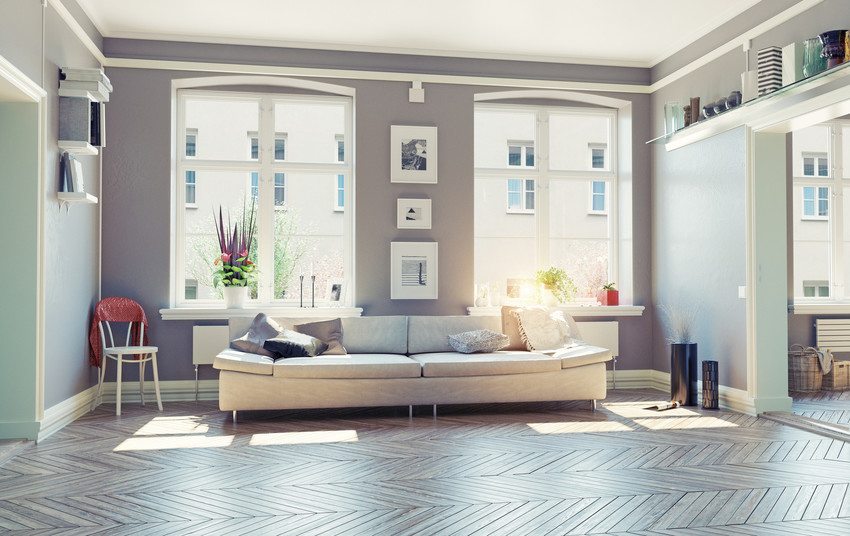
Once you narrow down your list of needs (the biggest of which is your budget), you should tackle your list of wants.
Try focusing on amenities or special features that will increase your property's resale potential (for when you decide to sell down the road).
Value-boosting home features can include dual-pane windows, additional flex rooms (such as a finished basement or in-law suite), and LED lights or other energy-efficient features.
Not only can these amenities increase your quality of life, they'll likely get you more money in the long run when you decide to sell.
🏡 Finding the right balance
Very few homes check every single box—and that’s okay. The key is understanding what matters most so you can make confident decisions when the right home appears.
Sometimes it’s choosing between the perfect kitchen… or the perfect location. And having clarity ahead of time makes all the difference.
 Here are a few tips you can follow:
- Consider any additional costs of certain home features and amenities. For example, if you want a bigger yard, make sure you have enough time to take care of it or the means to hire someone to maintain it for you.
- Don't always choose the latest upgrades. A number of different factors determine the cost of a home. Amenities like granite countertops and whirlpool tubs are likely to increase the price tag.
- Adjust your list if necessary. You may realize during your home search that what you thought was a need is actually just a want.
Last on Your Checklist: The Right Realtor
Using your wants and needs list, a good Realtor can create a personalized list of potential homes that meet all your criteria.
That's where we come in. Allow us to use our unique home buying expertise to help you find the home that's just right. Contact us today to get started.